
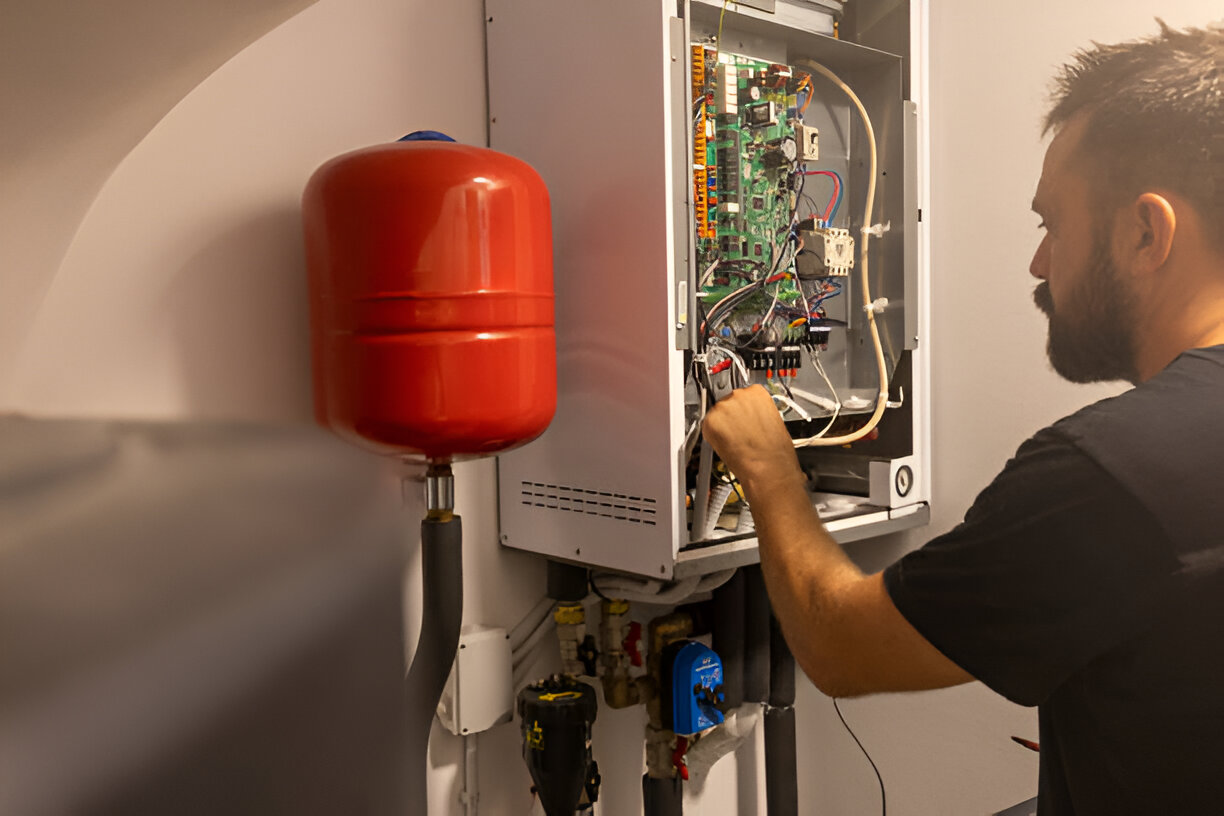
Furnace Repair in Kaysville, UT
Furnace repair in Kaysville, UT with expert diagnostics, upfront pricing, and reliable heating repairs backed by manufacturer warranties.
Furnace Repair in Kaysville, UT
When your furnace struggles or stops working in Kaysville, UT, the impact is immediate. Cold winter nights in Davis County and the wide temperature swings in the Wasatch Front make a reliable heating system essential for comfort and safety. This page explains professional furnace repair services tailored to Kaysville homes, what typically fails, how technicians diagnose problems, scheduling prompt response times, parts and warranty practices, transparent pricing, and safe temporary troubleshooting you can use while waiting for service.
Common furnace problems in Kaysville homes
Kaysville homeowners see some recurring furnace issues because of seasonal demands and local conditions like chilly winters, temperature cycling, and valley inversions that can affect indoor air quality. The most common failure causes include:
• Ignition problems — failed hot surface ignitors or electronic ignition modules prevent the burner from lighting reliably.
• Blower motor failure — worn bearings, capacitor failure, or motor burnout reduce or stop airflow, causing poor distribution of heated air.
• Thermostat issues — incorrect settings, dead batteries, or communication failures between thermostat and furnace interrupt operation.
• Pilot light problems (on older furnaces) — a weak or out pilot, clogged pilot orifice, or thermocouple failure can prevent ignition.
• Other common causes: clogged air filters, faulty limit switches, dirty flame sensors, gas valve malfunctions, and heat exchanger concerns.
Professional diagnostic process
A careful diagnostic approach separates quick fixes from issues that require parts or replacement. Typical diagnostic steps include:
1. Visual and safety inspection of the furnace and surrounding area to check for obvious hazards or tripped breakers.
2. Verify thermostat settings and operation, and confirm power and gas supply.
3. Test ignition system components (ignitor, pilot assembly, flame sensor) and perform safe ignition trials.
4. Inspect blower assembly, motor, capacitor, and airflow pathways; measure airflow if needed.
5. Run safety controls and limit switches through functional checks. If combustion anomalies are suspected, perform combustion and venting inspection.
6. Provide a clear, itemized diagnosis and recommended repairs or replacement options.
Technicians explain findings in plain language so you understand whether the issue is a repairable component failure or a sign of a larger problem.
Repairs, parts replacement, and warranty information
When parts must be replaced, professionals typically follow these practices to protect performance and longevity:
• Use manufacturer-recommended parts or equivalent OEM-quality components for ignition modules, blower motors, capacitors, thermostats, and pilot assemblies.
• Provide a written estimate that lists labor, parts, and any additional charges before work begins.
• Offer and honor manufacturer parts warranties when new equipment parts are installed. Typical manufacturer parts warranties range from one year to longer coverage depending on the component and brand; labor warranty periods vary but technicians stand behind their repair work.
• For safety-sensitive items like gas valves, heat exchangers, and combustion components, installers follow code requirements and document safety checks.
Expect technicians to review warranty coverage for each replaced part and explain labor warranty coverage provided on repairs.
Urgent repairs and scheduling in Kaysville
Luna Heating & Air answers calls during business hours: Monday to Friday 8:00 AM to 6:00 PM and Saturday 8:00 AM to 2:00 PM (closed Sunday). Call (801) 390-9298 and we'll schedule your furnace repair as soon as we can.
When you call, describe the symptoms, the make and approximate age of the system, and whether anyone in the home is especially vulnerable to heat or cold, so the technician arrives with the right information and parts in mind. Until the visit, check the breaker and the filter, and don't keep restarting a system that trips or short-cycles.
If you smell gas or a carbon monoxide alarm sounds, leave the home and call your gas utility or 911 before calling any HVAC company.
Transparent pricing and warranty coverage
Trustworthy furnace repair includes transparent pricing and dependable warranty coverage:
• Itemized estimates: Diagnostic fee, parts, and labor shown separately so you know what you are paying for.
• No-surprise repairs: Work typically proceeds only after you approve the estimate; any additional required work is discussed first.
• Warranty coverage: Many providers offer a limited labor warranty on repairs and will honor manufacturer warranties on parts. Ask for details about the length and scope of these warranties and how warranty claims are handled.
Temporary troubleshooting and safety tips (what you can do now)
If your furnace stops working, these safe, temporary steps may restore basic function or help you provide useful information to the technician:
• Check the thermostat: Confirm it’s set to HEAT, the temperature is higher than room temperature, and batteries (if present) are fresh.
• Inspect the filter: A clogged filter can restrict airflow; replace a dirty disposable filter with the correct size.
• Check circuit breakers and switches: Ensure the furnace switch and corresponding circuit breaker have not tripped.
• Reset the system: If the furnace has a reset button or switch, follow the manufacturer’s instructions. Wait a few minutes before attempting another start.
• For pilot light systems: If comfortable and only when safe, follow the manufacturer’s instructions to relight the pilot. If you smell gas or suspect a leak, evacuate and do not attempt to relight.
• Avoid DIY on gas, electrical, or combustion components. If you smell gas, leave the home and contact emergency services.
These steps are temporary. If the furnace cycles on and off, emits unusual noises, or you detect any combustion smell, limit use and let a professional inspect the unit.
Maintenance and long-term benefits
Regular maintenance reduces emergency repairs and improves efficiency—particularly important in Kaysville where prolonged cold increases runtime. Recommended practices:
• Annual pre-season tune-up with safety and efficiency checks.
• Change or clean filters every 1-3 months depending on use and indoor air quality.
• Have thermostats calibrated and programmable schedules optimized for energy savings.
• Consider indoor air quality measures after valley inversion events or wildfire smoke periods to reduce strain on the furnace and improve home comfort.
Timely repairs and maintenance save energy, extend equipment life, and reduce the chance of safety issues during the coldest months.
Why prompt, professional repair matters
Prompt, professional furnace repair restores comfort, reduces risk of secondary damage (like frozen pipes), and ensures safe combustion and venting. In Kaysville’s climate, dependable heating is more than a convenience—it’s a critical part of home safety and energy management. Professional diagnostics and transparent repair practices give you confidence that the right parts are used, warranties are respected, and the system will operate reliably when you need it most.
Ready for comfort that lasts?
Schedule service with Luna Heating & Air — licensed, insured, and trusted across Northern Utah since 2004.