
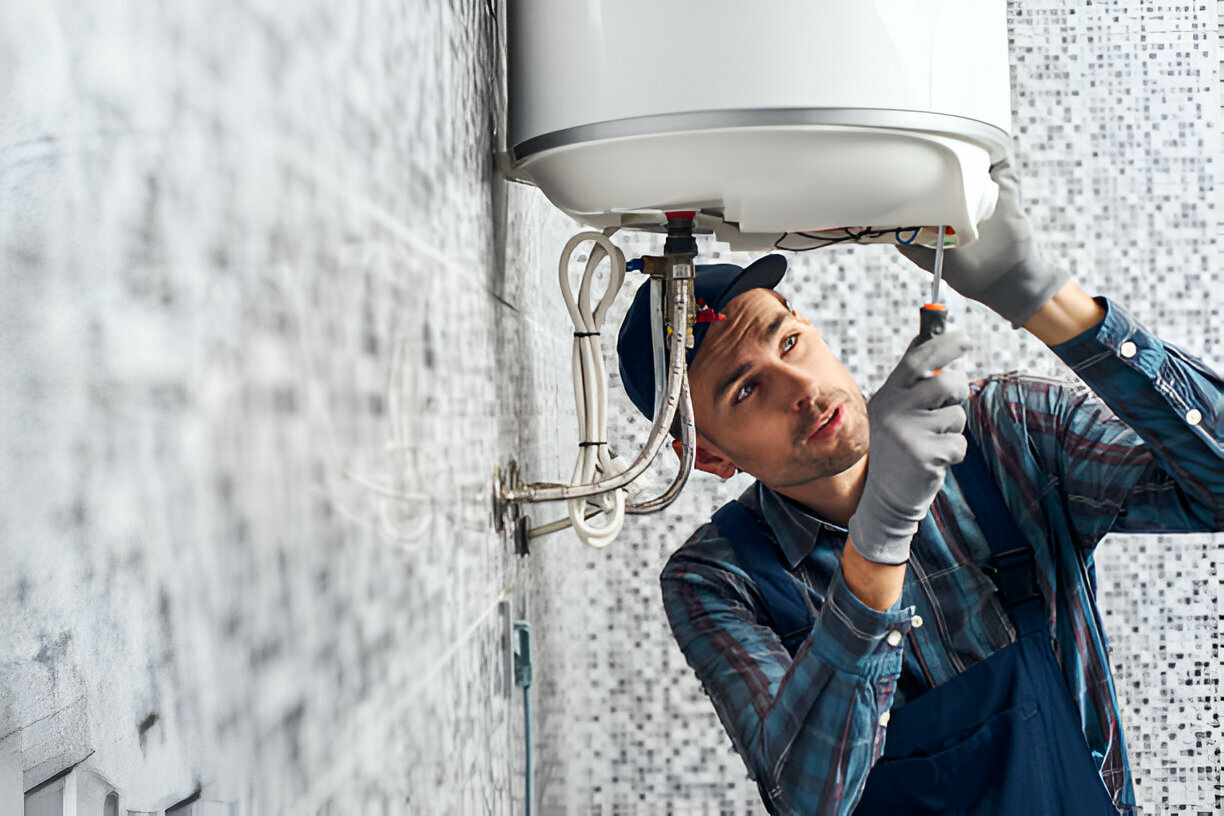
Furnace Repair in Roy, UT
Roy, UT furnace repair pros diagnose and fix heat issues fast, restoring comfort and safety. Call now for prompt service pricing.
Furnace Repair in Roy, UT
An unreliable furnace in Roy, UT is more than an inconvenience during Davis County winters it can quickly impact comfort, safety, and energy bills. Whether your heater won’t start, is cycling short, making unusual noises, or failing to keep rooms warm, professional furnace repair addresses the root cause so your system runs safely and efficiently. This page explains common furnace problems in Roy homes, how technicians diagnose and fix them, what to expect for timelines and warranties, and practical information about scheduling and pricing.
Why furnace repair matters in Roy, UT
Roy experiences cold, often snowy winters and wintertime air quality inversions that increase heating demand. Older homes and high-usage systems are more likely to show wear. Prompt repair:
• Restores reliable heat during prolonged cold snaps
• Prevents minor faults from becoming major failures
• Improves combustion efficiency and reduces energy costs
• Addresses safety risks like carbon monoxide leaks or faulty ignition
Common furnace repair issues in Roy, UT
Homeowners in Roy commonly call for:
• Ignition and pilot failures (no spark, intermittent ignition)
• Blower motor or capacitor failures (weak airflow, no airflow, humming)
• Thermostat malfunctions or calibration drift (incorrect temperature control)
• Short cycling (furnace turns on and off too frequently)
• Strange noises (rattling, squealing, banging)
• Dirty or clogged filters and burners (reduced performance, soot)
• Gas valve or pressure issues (inconsistent flame or odor)
• Heat exchanger cracks (safety risk requiring immediate attention)
Typical diagnostic procedures
Technicians follow structured diagnostics to find the underlying cause quickly:
1. Visual inspection of the furnace cabinet, venting, and combustion area
2. Check filters, return vents, and ductwork for airflow restrictions
3. Test thermostat signals and calibration
4. Verify ignition sequence and pilot (spark, hot surface igniter, pilot light)
5. Measure voltage and current to blower motor and capacitors
6. Inspect burners and heat exchanger for cleanliness and integrity
7. Test safety controls, limit switches, pressure switches, and flame sensors
8. Check gas pressure and valve operation when applicable
Diagnostics in Roy homes often include checking venting and combustion air, since tight winter homes and gravity vents can affect performance.
Troubleshooting: ignition, blower, thermostat, and pilot issues
• Ignition problems: Failures are usually caused by a worn hot-surface igniter, dirty flame sensor, or faulty control board. Cleaning the flame sensor or replacing a fragile igniter typically resolves the issue.
• Blower problems: No airflow or weak airflow can be a bad capacitor, worn motor bearings, clogged filter, or broken belt (in older models). Technicians measure amp draw and inspect motor bearings and belts before replacing components.
• Thermostat issues: Incorrect room temperature or inconsistent cycling often stems from poor thermostat placement, dead batteries, wiring faults, or calibration drift. Replacing batteries, reprogramming, or performing a wiring check solves most thermostat-related calls.
• Pilot light issues: If your system uses a standing pilot, common causes include a dirty pilot orifice, thermocouple failure, or improper gas pressure. Professional cleaning or thermocouple replacement usually fixes steady-cycling or pilot outages.
Estimated repair timelines
Repair times vary by issue and part availability. Typical ranges:
• Filter, sensor cleaning, or thermostat reprogram: 30–90 minutes
• Flame sensor, igniter, capacitor replacement, or minor electrical repairs: 1–3 hours
• Blower motor replacement, gas valve replacement, or control board swap: 2–5 hours
• Heat exchanger replacement or major mechanical repairs: multi-day (may require system downtime and follow-up inspections)
Technicians often arrive with common replacement parts; more complex repairs that require special-order parts can extend timelines.
Parts and labor warranty information
Warranty coverage differs by part and service provider. Typical practices include:
• Short-term labor warranties (30–180 days) on repairs
• Manufacturer parts warranties varying from 90 days to several years depending on the component
• Extended warranties for major replacements through manufacturers or third-party plans
Always request written warranty details before service begins and retain invoices for warranty validation. For safety-related components (heat exchangers, gas valves), confirm what documentation is required for warranty claims.
Urgent repairs and scheduling in Roy
Luna Heating & Air answers calls during business hours: Monday to Friday 8:00 AM to 6:00 PM and Saturday 8:00 AM to 2:00 PM (closed Sunday). Call (801) 390-9298 and we'll schedule your furnace repair as soon as we can.
When you call, describe the symptoms, the make and approximate age of the system, and whether anyone in the home is especially vulnerable to heat or cold, so the technician arrives with the right information and parts in mind. Until the visit, check the breaker and the filter, and don't keep restarting a system that trips or short-cycles.
If you smell gas or a carbon monoxide alarm sounds, leave the home and call your gas utility or 911 before calling any HVAC company.
Technician qualifications and safety standards
Qualified furnace technicians typically hold:
• State or local HVAC licensing and required permits
• Certification such as NATE or factory-specific training
• Drug-free/identity-verified backgrounds and ongoing safety training
• Insured status (general liability and workers’ compensation)
Technicians follow industry safety standards for gas appliance work, combustion testing, ventilation checks, and carbon monoxide testing. Ask about qualifications and proof of insurance if you want assurance before service.
Pricing guidelines and what affects cost
Factors that influence repair cost include:
• Type of repair (diagnostics, part replacement, system-level repairs)
• Part cost and availability (OEM vs aftermarket)
• System age and complexity (older or less-common models may be pricier)
• Labor time and access (difficult-to-reach furnace locations increase labor)
Many homeowners in Roy find that routine maintenance reduces repair frequency and expense by catching wear before failure.
Maintenance tips to reduce future repairs
• Replace or clean filters every 1–3 months during heating season
• Schedule annual preseason tune-ups to inspect combustion, clean burners, and check safety controls
• Keep vents and returns unobstructed and ensure thermostat placement avoids drafts or heat sources
• Monitor for unusual sounds, odors, or changes in cycling and address them early
Customer experiences and trust signals
Local homeowners often report faster resolution when technicians come prepared with common replacement parts and a clear diagnostic process. Reliability during cold spells, transparent explanations of needed repairs, and written warranty details are recurring priorities for Roy residents when choosing furnace repair services.
A well-executed repair restores comfort, lowers energy use, and reduces safety risks. When you see warning signs — lack of heat, persistent cycling, odors, or unusual noises — prompt professional diagnosis in Roy, UT preserves system life and peace of mind.
Ready for comfort that lasts?
Schedule service with Luna Heating & Air — licensed, insured, and trusted across Northern Utah since 2004.